If you have ever picked up a bag of pupsicle treats at your local pet store or ordered a pupsicle toy online, there is a good chance you stood there wondering the same thing thousands of other dog owners across the country ask every single day: do these things actually need to go in the freezer, or is that just optional?
The short answer is — it depends on the type of pupsicle treat you have. But the longer answer is far more important, and getting it wrong could mean your dog misses out on the full benefit of these treats, or worse, ends up eating something that has gone bad without you even realizing it.
This guide breaks down everything you need to know about pupsicle treats, freezing versus not freezing them, the most common mistakes dog owners make, and how to serve them safely so your pup gets the most out of every single lick.
What Exactly Is a Pupsicle Treat?
Before diving into the freezer debate, it helps to understand what a pupsicle treat actually is, because the term covers more than one thing.
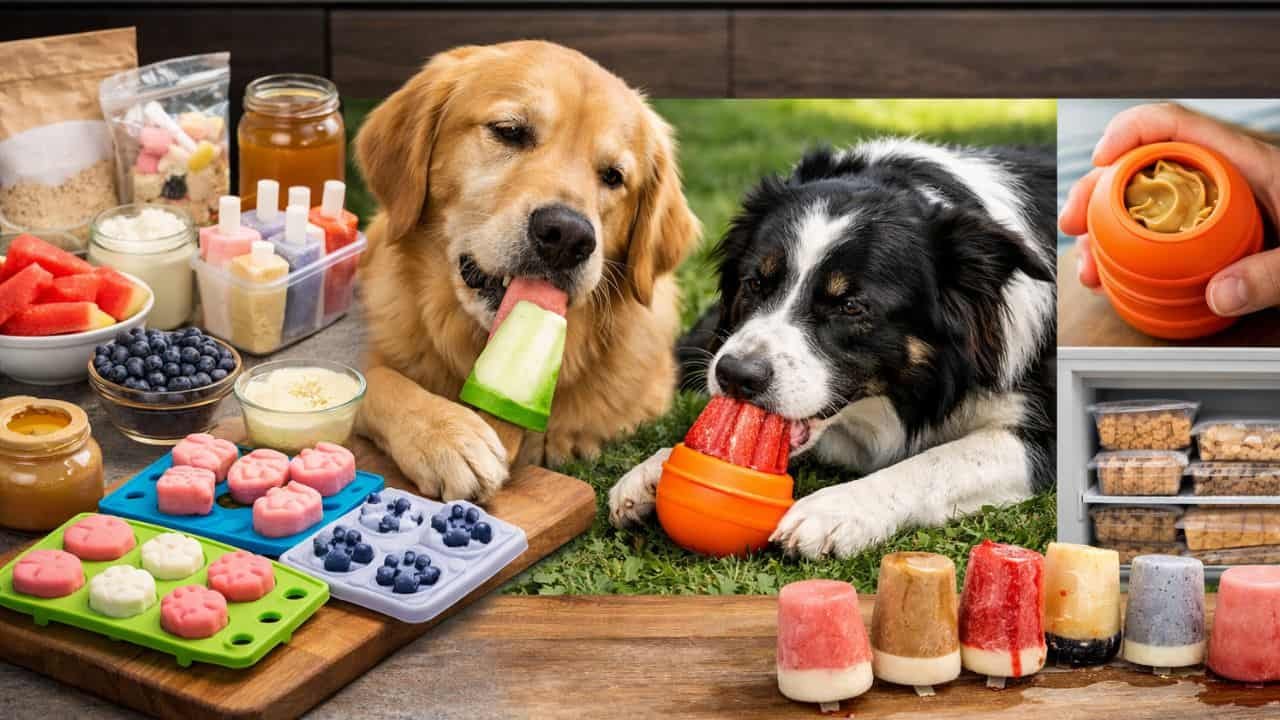
A pupsicle is essentially a popsicle made specifically for dogs. The name is a playful mashup of “pup” and “popsicle,” and it has become a widely used term in the pet industry across the United States. You will find it used in two different contexts:
Homemade Pupsicles: These are dog-friendly frozen treats you make at home using ingredients like plain yogurt, peanut butter, bone broth, pureed fruits, and other dog-safe foods. You pour the mixture into silicone molds or ice cube trays, freeze them solid, and serve them to your dog as a cooling snack.
Store-Bought and Kit-Based Pupsicles: These come in the form of pre-mixed powders (like Cooper’s Treats Pupsicle Starter Kit), or as ready-to-freeze refill packs that you fill into a pupsicle toy such as the WOOF Pupsicle. You add water, fill the mold or toy, and freeze.
Pupsicle Toys: Products like the WOOF Pupsicle are rubber enrichment toys that hold frozen treats inside. The toy itself does not need to be frozen, but what goes inside it typically does for the best results.
Understanding which type you have is the first step to knowing exactly what to do with it.
Do Pupsicle Treats Need to Be Frozen?
Here is where most dog owners get tripped up. The answer is not a simple yes or no across the board.
Homemade Pupsicles: Yes, Freezing Is Required
If you are making pupsicles at home using wet ingredients like yogurt, bone broth, peanut butter, or pureed fruits, freezing is not optional. It is essential for two reasons: food safety and function.
Wet food mixtures containing dairy, meat broth, or fresh fruit will spoil at room temperature within a couple of hours. Leaving a yogurt-based pupsicle mix sitting in a mold on your counter is a recipe for bacterial growth that could make your dog seriously ill. You need to get those molds into the freezer as quickly as possible after preparing them.
From a functional standpoint, these treats are designed to be licked slowly as they melt. If they are not frozen, there is nothing to lick. They are simply a bowl of wet food mix, which is fine as an occasional addition to meals but defeats the entire purpose of a pupsicle.
Most homemade pupsicle recipes require a minimum of 4 hours in the freezer to set completely. Many dog owners prefer to freeze them overnight to make sure the center is fully solid, especially for thicker mixes.
Kit-Based Dry Mixes: Freezing Is Required After Mixing
Pre-made pupsicle mix kits like Cooper’s Treats use a dry powder that you mix with water before pouring into molds. Once water is added, the same rules apply as homemade treats. You must freeze the mixture before serving. The dry powder itself, before water is added, can be stored at room temperature in a cool, dry place.
Pupsicle Toys Used with Fresh Food: Freezing Is Optional but Recommended
Here is where it gets a bit more flexible. If you are filling a pupsicle toy like the WOOF Pupsicle with fresh food (such as a spoonful of canned dog food, a soft treat, or a bit of peanut butter without any wet mix), you technically do not have to freeze it. You can fill the toy and serve it immediately as a fresh enrichment activity.
However, freezing the filled toy dramatically increases how long your dog will spend working on it, which is the whole point of these toys. A frozen treat inside the toy can keep a dog engaged for 20 to 30 minutes or more. A fresh, unfrozen treat typically lasts just a few minutes before your dog licks it clean.
How Long Do Frozen Pupsicle Treats Last in the Freezer?
This is one of the most commonly asked questions, and the answer is better than most people expect.
| Type of Pupsicle | Freezer Shelf Life |
| Homemade pupsicles (yogurt, fruit, broth-based) | Up to 1 month |
| Bone broth-based frozen treats | Up to 3 months |
| Peanut butter and banana pupsicles | Up to 1 month |
| Pre-filled pupsicle toys (frozen) | Best used within 1 to 2 weeks |
The key to maximizing shelf life is proper storage. Once your pupsicles are fully frozen solid, transfer them to an airtight container or a zip-lock freezer bag and return them to the freezer. Leaving them exposed in the open mold trays can lead to freezer burn, which does not make the treats dangerous but does affect taste and texture. Always write the date on the container so you know exactly when they were made.
The Biggest Mistakes Dog Owners Make with Pupsicle Treats
Now for the part most dog owners wish someone had told them sooner. These are the most common errors that can turn a perfectly good treat into a problem.
Mistake 1: Using Peanut Butter Without Checking the Label
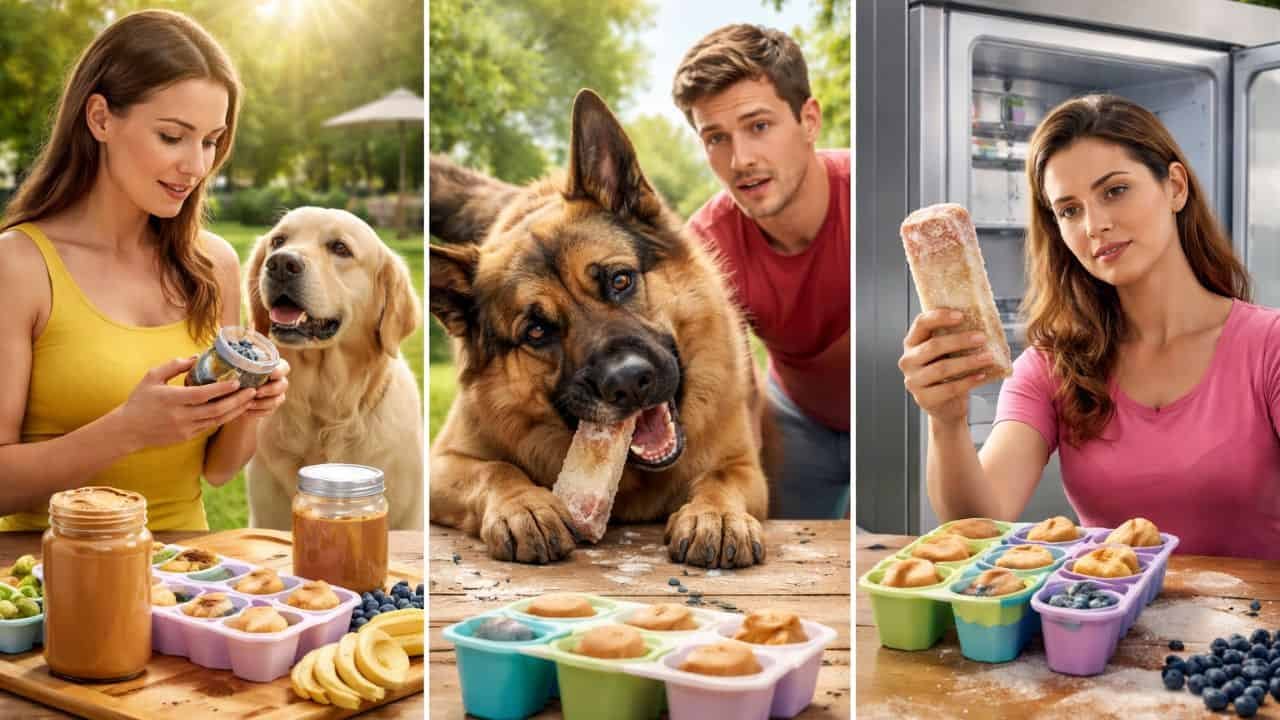
This is arguably the most dangerous mistake on this entire list. Many dog owners assume all peanut butter is safe for dogs because they have given their dog peanut butter countless times without a problem. But the ingredient you need to watch out for is xylitol, an artificial sweetener that is highly toxic to dogs and can cause seizures, liver failure, and even death, even in small amounts. Some brands also list xylitol as “birch sugar” on their ingredient labels, so you need to read carefully. Always use a xylitol-free peanut butter when making any homemade dog treat, including pupsicles.
Mistake 2: Serving Frozen Treats to Aggressive Chewers Without Supervision
Frozen pupsicle treats are designed for licking, not chewing. When a large dog with powerful jaws bites into a fully frozen treat, there is a real risk of cracking or chipping a tooth. This is especially true for dogs that are known to chew hard on everything they can get in their mouths. For aggressive chewers, consider letting the frozen treat thaw for 5 to 10 minutes before serving so it is softer on the outside. Always supervise your dog the first few times you introduce any new frozen treat.
Mistake 3: Giving Too Much, Too Often
Pupsicle treats should be a treat, which means they should not make up a large portion of your dog’s daily calorie intake. Ingredients like peanut butter and yogurt are calorie-dense, and it is easy to accidentally feed your dog far more calories than you realize when you are serving these treats frequently. A good rule of thumb is that treats of any kind should make up no more than 10 percent of your dog’s daily calorie intake. If you are making pupsicles at home, use small silicone molds rather than large ones to keep portion sizes appropriate.
Mistake 4: Using Yogurt That Contains Xylitol or Artificial Sweeteners
Plain, unsweetened yogurt is generally safe for most dogs in small amounts and can even provide some probiotic benefits for digestion. However, many flavored and low-fat yogurts on grocery store shelves contain xylitol or other artificial sweeteners. Always check the label before adding any yogurt to a homemade pupsicle. Plain Greek yogurt with no added flavors or sweeteners is the safest option. Additionally, use only low-fat or non-fat yogurt since high-fat dairy can cause stomach upset and pancreatitis in dogs.
Mistake 5: Not Letting the Treat Thaw at All in Cold Weather or for Sensitive Dogs
Many dog owners think of pupsicle treats as a summer-only thing, which means they assume their dog will always be happy to eat them straight from the freezer. But just like some humans prefer slightly softened ice cream, some dogs are genuinely put off by an extremely hard frozen treat. If your dog seems hesitant or keeps walking away from a pupsicle, try letting it thaw on a mat outside for 5 to 10 minutes first. Puppies especially may need a softer texture to enjoy the treat comfortably.
Mistake 6: Storing Leftover Thawed Pupsicles Back in the Freezer
Once a pupsicle has fully thawed, you should not refreeze it. The freezing and thawing cycle affects texture and quality, and more importantly, any bacterial growth that occurred during the thaw period gets locked into the treat when you refreeze it. If a pupsicle has melted completely and your dog did not finish it, discard the remainder rather than putting it back in the freezer.
Safe Ingredients for Homemade Pupsicles
One of the biggest advantages of making pupsicles at home is that you have complete control over what goes into them. Here is a quick reference guide to what is safe and what to avoid.
Dog-Safe Ingredients to Use
- Plain Greek yogurt (no sweeteners, low-fat)
- Unsalted bone broth or low-sodium chicken broth
- Xylitol-free peanut butter
- Ripe banana
- Watermelon (seedless)
- Blueberries
- Strawberries
- Pumpkin puree (not pumpkin pie filling)
- Mango (pit removed)
- Plain cooked chicken or turkey (shredded)
- Plain water or coconut water (unsweetened)
Ingredients to Always Avoid
- Xylitol or birch sugar (found in many peanut butters and sugar-free products)
- Chocolate of any kind
- Grapes and raisins (toxic to dogs)
- Onions and garlic
- Macadamia nuts
- Avocado
- Sweetened ice cream or frozen yogurt meant for humans
- Fruit juice with added sugar
- Coffee or caffeinated beverages
How to Make a Simple and Safe Pupsicle at Home
You do not need fancy equipment or a long ingredient list to make a great pupsicle for your dog. Here is a simple method that works reliably.
What You Need:
- Silicone ice cube trays or paw-shaped silicone molds
- A blender or mixing bowl
- An airtight container for storage
- Dog-safe ingredients of your choice
Basic Steps:
- Choose your base liquid. Bone broth and plain yogurt are the two most popular options. Bone broth creates a more icy, hydrating treat while yogurt creates a creamier texture.
- Add your mix-ins. Blend in small pieces of dog-safe fruit, a spoonful of xylitol-free peanut butter, or a few shreds of cooked chicken depending on what your dog enjoys.
- Pour the mixture into your silicone molds, filling each cavity about three-quarters of the way full to leave room for expansion during freezing.
- Place the tray flat in the freezer and leave it for at least 4 hours, or overnight for best results.
- Once fully frozen, pop the treats out of the molds and transfer them to an airtight freezer bag or container. Label with the date.
- When ready to serve, let the treat sit at room temperature for 5 minutes, then serve outside or on a mat since they will drip as they melt.
Can Dogs Have Pupsicle Treats Year Round?
Absolutely, yes. While pupsicle treats are most popular during the hot summer months in the United States, there is no reason dogs cannot enjoy them throughout the year. The cold temperature provides mental stimulation and makes the treat last significantly longer than a regular dog biscuit. During winter months, many dog owners simply let the treat thaw slightly more before serving so it is not as intensely cold.
The enrichment benefit of a slowly melting frozen treat applies in any season. Dogs that experience boredom, anxiety, or destructive behavior when left alone often benefit greatly from having a frozen pupsicle or a frozen-filled toy to work on. It keeps their mind engaged and gives them a constructive outlet for their natural licking instinct.
A Quick Note About Dogs with Health Conditions
If your dog has any existing health conditions, including diabetes, pancreatitis, food allergies, or kidney disease, consult your veterinarian before introducing pupsicle treats into their routine. Ingredients that are perfectly safe for a healthy dog may not be appropriate for a dog managing a health condition. Your vet can help you identify which ingredients to use and how often to offer frozen treats without disrupting your dog’s dietary management.
Puppies over six months of age with their adult teeth developing can also enjoy frozen treats, but use smaller molds and always supervise them during the treat to make sure they are licking rather than biting down hard.
The Bottom Line
Pupsicle treats made with wet ingredients absolutely need to be frozen, both for food safety and because the frozen texture is what makes them enjoyable and enriching for your dog. Store-bought dry mixes need to be frozen after you add water. Pupsicle toys can be used fresh or frozen, but freezing delivers a far better experience.
Store your frozen pupsicles in an airtight container in the freezer for up to one month, never refreeze a thawed treat, always check peanut butter and yogurt labels for xylitol, and supervise your dog the first few times you introduce any new frozen treat.
Done right, pupsicles are one of the easiest, most affordable, and most genuinely enjoyable treats you can give your dog. Your pup will thank you for it, probably by licking your face right after finishing the last drop.