If you have ever stood in your kitchen holding an open can of dog food and wondered whether you could turn it into a frozen treat for your pup, you are not alone. Thousands of dog owners across the United States ask this exact question every summer. The idea makes sense on the surface: your dog already loves the food, it is protein-rich, and it looks like something that should freeze just fine. But is it actually safe? And more importantly, what do veterinary experts and pet nutritionists have to say about it?
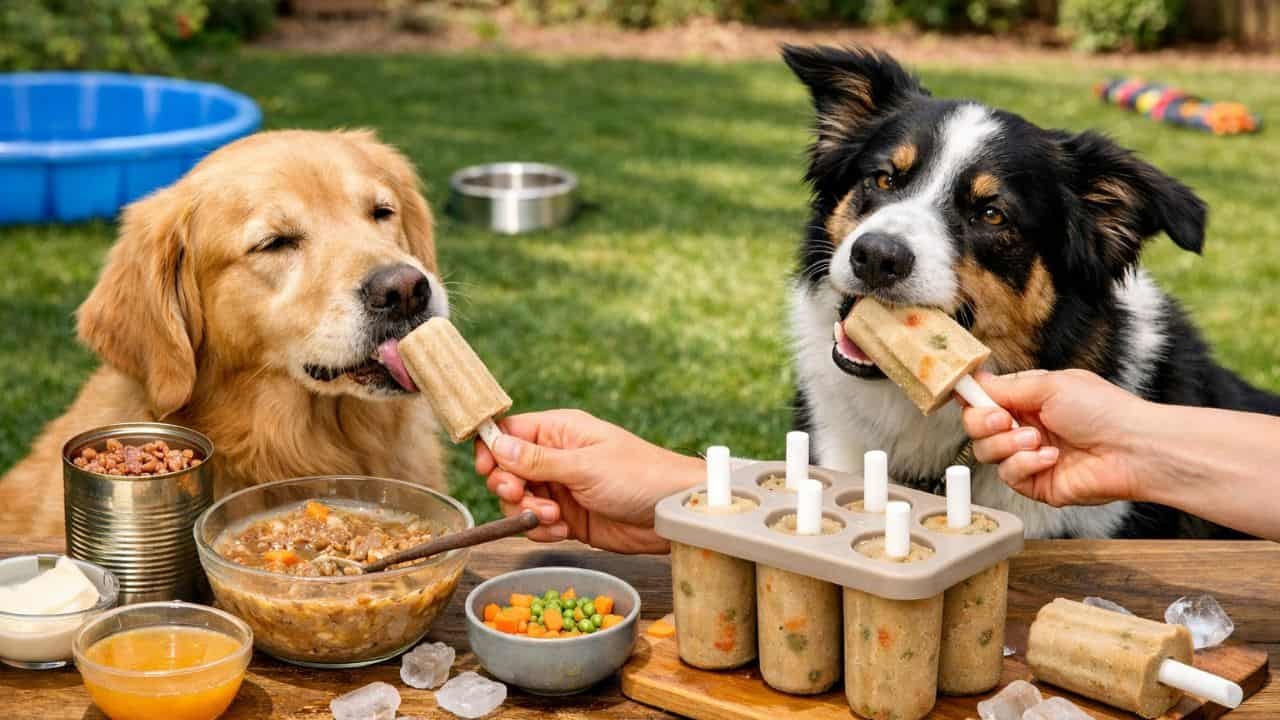
The short answer is yes, you can use canned dog food in a pupsicle, but there are some important details you need to know before you start filling up those molds. This guide breaks it all down so you can treat your dog safely, smartly, and with confidence.
Is It Safe to Freeze Canned Dog Food?
This is the first question most pet parents have, and it is a fair one. Here is what the experts say.
According to pet nutrition resources and veterinary guidance, freezing canned dog food is generally safe when done correctly. The key distinction experts make is between freezing an unopened sealed can (which is not recommended, as the can can warp or rupture during expansion) and transferring the food into a freezer-safe container or mold before freezing.
PetMD confirms that dog food, including wet varieties, can be frozen in plastic bags or airtight containers for up to three to six months. Nutritionally, most studies show minimal loss of vitamins and minerals when food is frozen promptly after opening.
However, there is one important caveat from some veterinary sources: freezing can slightly alter the texture and taste of canned dog food. When thawed on its own, it may become grainy or lose some of its original appeal. The good news? When you are making a pupsicle, you are not serving thawed wet food. You are serving it still frozen, often mixed with other ingredients, which means those texture concerns become much less relevant.
What Happens to Canned Dog Food When It Freezes?
| Property | Effect of Freezing |
| Nutritional Value | Minimal to no significant loss |
| Texture | May become slightly grainy when thawed |
| Taste | Slight change possible, most dogs do not notice |
| Safety | Safe when transferred to a proper freezer container |
| Shelf Life | Extends up to 3 months when frozen correctly |
The One Big Thing Experts Want You to Watch: Sodium
If there is one concern that veterinary nutritionists consistently raise about using canned dog food in pupsicles, it is sodium content. Many commercial canned dog foods contain varying levels of sodium, and some varieties intended for adult dogs can have higher salt levels than is ideal for regular treat use.
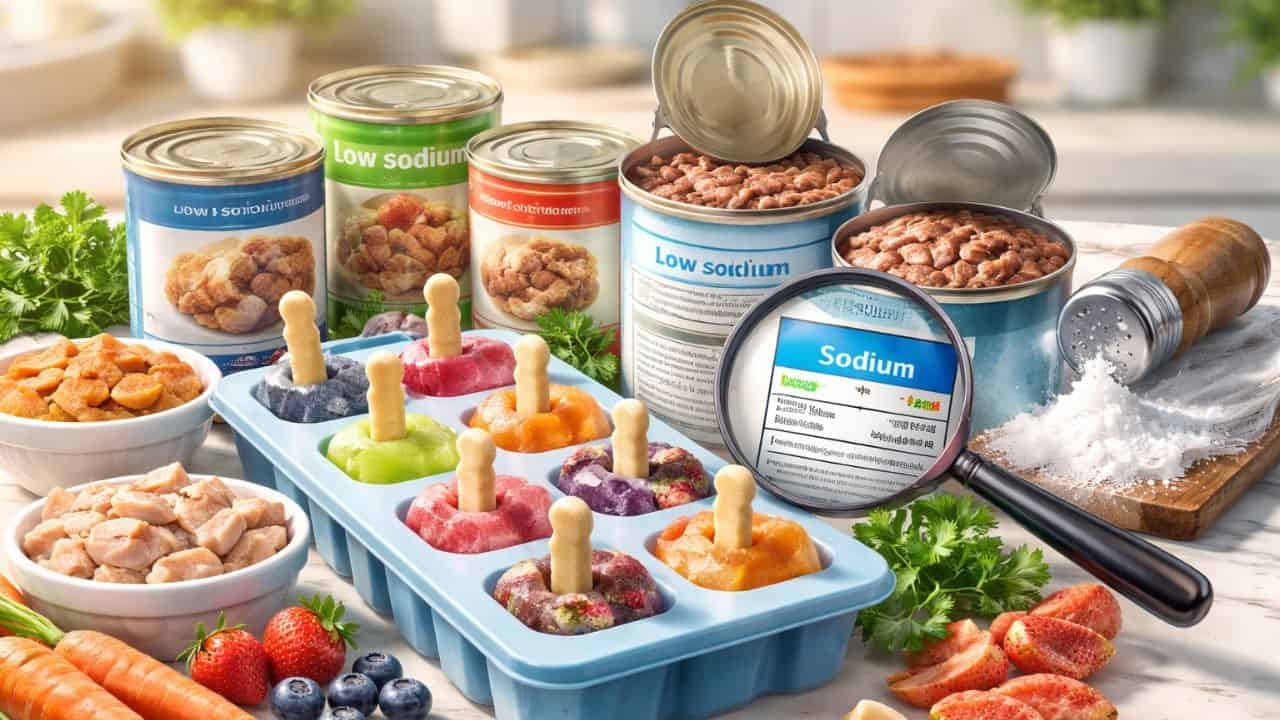
Excess sodium in dogs can cause increased thirst, water retention, and in extreme cases, sodium ion poisoning, which can lead to symptoms like vomiting, diarrhea, tremors, and lethargy.
This does not mean canned food is dangerous for your dog. It simply means you need to choose the right kind when making pupsicles.
How to Choose the Right Canned Dog Food for Pupsicles
Not all canned dog foods are created equal. When selecting one for your pupsicle recipe, look for the following:
- Low-sodium formulas: Check the label and choose a product with lower sodium per serving, ideally under 100mg per serving.
- Short ingredient list: The fewer processed additives, the better.
- No onion or garlic: These are toxic to dogs and sometimes appear in flavored varieties.
- No artificial preservatives or sweeteners: Xylitol, in particular, is extremely dangerous for dogs.
- AAFCO-approved label: This means the food meets minimum nutritional standards set by the Association of American Feed Control Officials.
Pro Tip: If your canned dog food is a brand your dog already eats daily without any issues, it is generally a safe choice for pupsicles in moderate amounts.
What Do Vets and Pet Nutrition Experts Actually Recommend?
The consensus among pet nutrition experts and veterinarians is largely supportive of using canned dog food as a pupsicle ingredient, provided a few conditions are met.
1. Treat it as a treat, not a meal. Veterinary guidelines suggest that treats should make up no more than 10 percent of your dog’s total daily caloric intake. Since a pupsicle made with canned food essentially doubles as a snack and mini-meal, you may want to slightly reduce the size of your dog’s regular feeding on days you serve one.
2. Use it as a base or mix-in, not as the only ingredient. Pairing canned food with low-sodium bone broth, plain pumpkin puree, or a small amount of plain yogurt not only improves the flavor and texture of the frozen treat but also dilutes the sodium content and adds nutritional variety.
3. Always supervise your dog while eating frozen treats. Experts consistently recommend that dog owners watch their pets while they enjoy any frozen treat, as large chunks can become choking hazards if bitten off quickly.
4. Consult your vet if your dog has dietary restrictions. If your dog manages kidney disease, heart disease, or other conditions that require a sodium-restricted diet, always check with your veterinarian before adding canned food to treats, even occasionally.
Canned Dog Food Pupsicle: A Simple Base Recipe
Now that you know it is safe, here is a straightforward recipe that puts all of this expert advice into practice.
Savory Canned Dog Food Pupsicle
Makes: 6 to 8 pupsicles (depending on mold size) Prep Time: 10 minutes Freeze Time: 4 to 6 hours
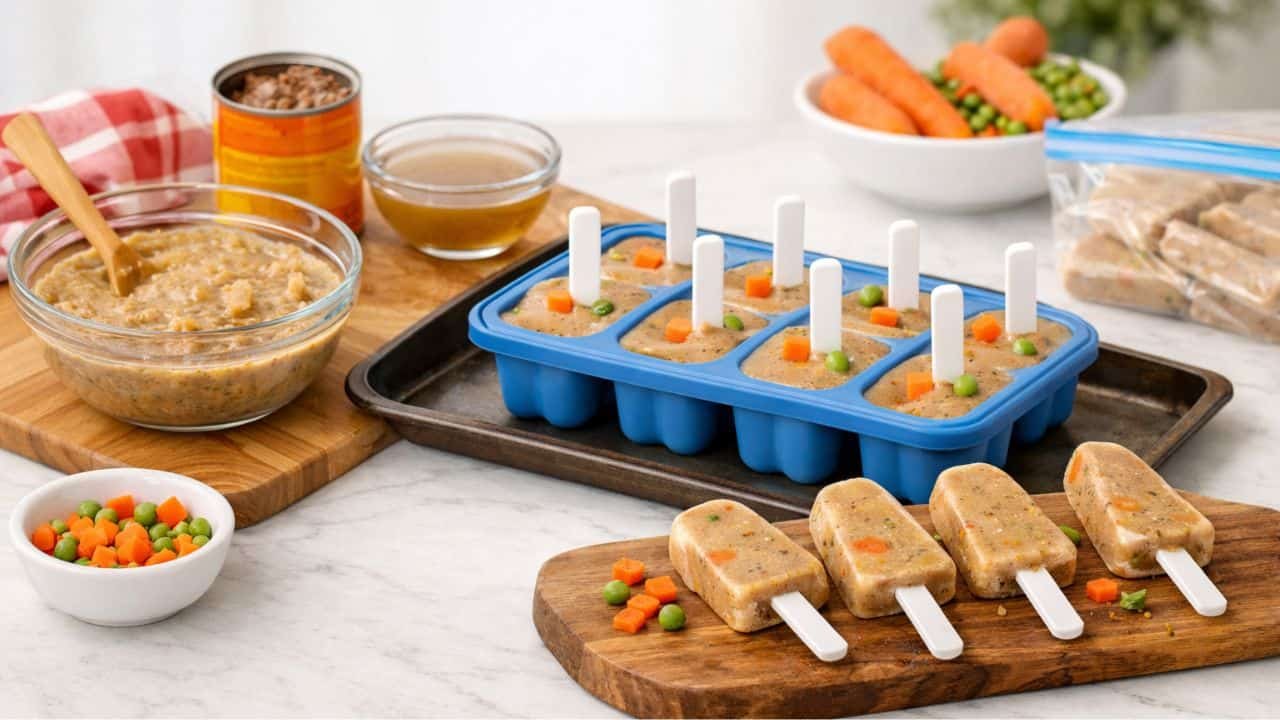
Ingredients
- 1/2 can of low-sodium wet dog food (approximately 6 oz), any flavor your dog enjoys
- 1/2 cup low-sodium, unseasoned chicken or beef broth (no onion, no garlic, no added salt)
- 1/4 cup plain canned pumpkin puree (not pumpkin pie filling)
- Optional: a few small dog-safe veggie pieces like diced carrots or peas for added texture
Instructions
- Scoop the canned dog food into a mixing bowl.
- Add the low-sodium broth and pumpkin puree.
- Stir everything together until you have a smooth, pourable mixture.
- Pour the mixture evenly into your silicone pupsicle molds or ice cube trays.
- If desired, press a few pieces of carrot or peas into the top of each mold.
- Place the molds flat on a baking sheet and put them in the freezer.
- Freeze for at least 4 to 6 hours, or overnight for best results.
- To unmold, run the base of the silicone mold under warm water for about 15 to 20 seconds until the treats loosen.
- Serve one pupsicle at a time, ideally outside or on an easy-to-clean surface.
Storage: Transfer any extra pupsicles into a zip-lock freezer bag and store for up to 4 to 6 weeks.
Canned Dog Food Pupsicle Variations to Try
Once you are comfortable with the base recipe, there are several ways to customize it for your dog’s preferences and dietary needs.
1. Protein-Packed Power Pupsicle
Mix canned chicken-based dog food with low-sodium chicken broth and a small spoonful of plain, xylitol-free peanut butter. This variation is especially popular with high-energy breeds.
2. Tummy-Friendly Pupsicle
Combine canned dog food with a tablespoon of plain, unsweetened yogurt (which contains gut-friendly probiotics) and a small amount of plain canned pumpkin, which is well known for supporting healthy digestion in dogs.
3. Senior Dog Soft Pupsicle
For older dogs with sensitive teeth or gums, blend canned food with extra broth to create a thinner, softer frozen treat that is easier to lick and gentler on the mouth. Silicone molds with shallower shapes work best for this variation.
4. Summer Hydration Pupsicle
Combine canned dog food with a generous pour of plain water and a small amount of seedless watermelon pulp. This version is lower in calories and great for keeping dogs hydrated on extremely hot days.
Signs Your Dog Loves (or Does Not Love) Canned Food Pupsicles
Every dog is different, and some may take a little time to warm up to the idea of frozen food. Here is what to watch for:
Signs your dog enjoys it:
- Immediate interest and enthusiastic licking
- Returns to the treat quickly after sniffing it
- Finishes the treat fully
Signs your dog is not a fan:
- Walks away and shows no interest
- Seems confused or paws at it without licking
- Only takes a brief sniff
If your dog is hesitant, try letting the pupsicle sit at room temperature for one to two minutes before serving. The slightly softened surface may be more appealing to a dog who is not used to very cold treats.
Common Questions About Sodium in Dog Treats
Since sodium is the main concern around using canned food in pupsicles, here is a quick reference guide:
| Dog Size | Estimated Safe Daily Sodium | Notes |
| Small (under 20 lbs) | Around 100 mg/day | Limit canned food-based treats to once or twice weekly |
| Medium (20 to 50 lbs) | Around 200 mg/day | One pupsicle per day is generally fine with a low-sodium brand |
| Large (over 50 lbs) | Around 300 mg/day | More flexibility, but still choose low-sodium options |
Note: These are general guidelines. Always consult your veterinarian for personalized dietary advice based on your dog’s health history.
What to Avoid When Making Canned Dog Food Pupsicles
Even with the best intentions, a few common mistakes can turn a healthy treat into a problem. Here is what the experts consistently warn against:
- Using regular canned food with high sodium: Always read the label. Standard adult formulas can contain significantly more sodium than low-sodium or limited-ingredient options.
- Adding human seasonings: Never add salt, garlic powder, onion powder, or any spice to your pupsicle mix.
- Using xylitol-sweetened ingredients: This artificial sweetener, often found in some peanut butter brands and yogurts, is highly toxic to dogs.
- Freezing an unopened can: Never put a sealed can in the freezer. Always open the can, portion out what you need, and transfer it to a safe container or mold.
- Giving too many pupsicles: Even healthy treats can contribute to weight gain. Stick to one pupsicle per day as a maximum for most dogs.
How to Store Canned Dog Food Before and After Making Pupsicles
Proper handling of canned food matters both for safety and for the quality of your finished treats.
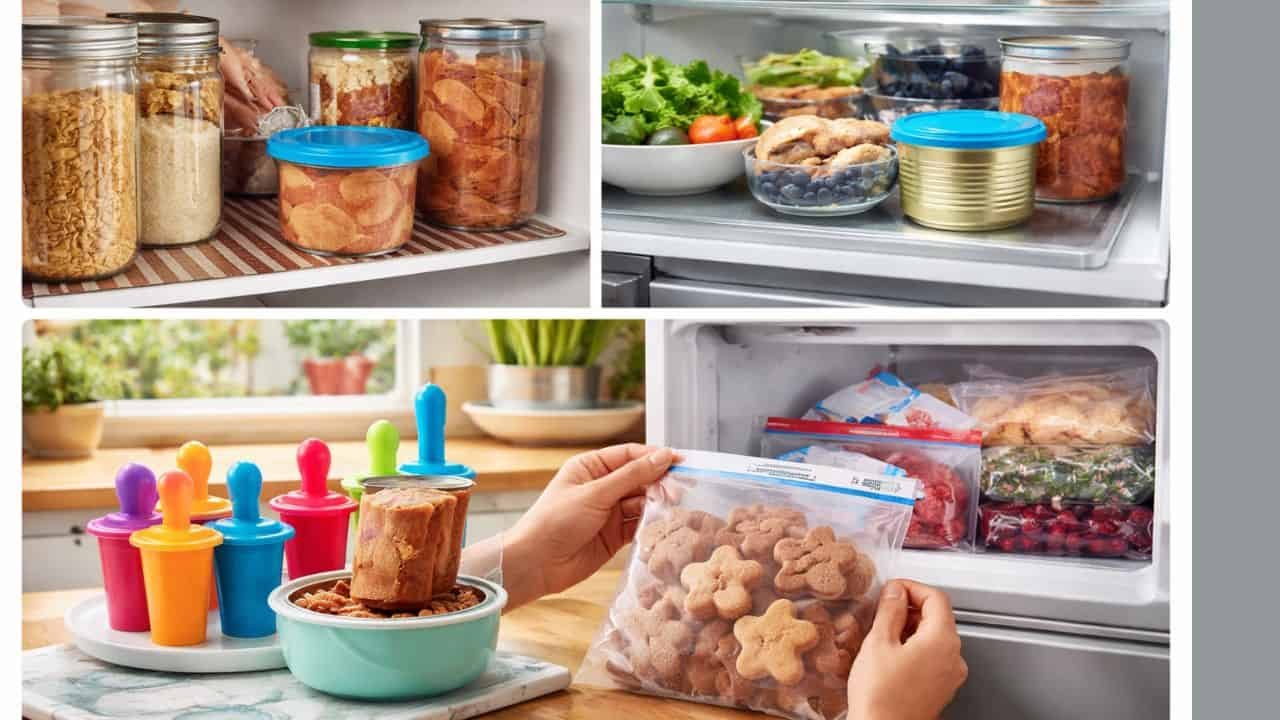
Before making pupsicles:
- Unopened canned dog food stays shelf-stable for up to two years in a cool, dry place.
- Once opened, cover the can and refrigerate immediately.
- Use refrigerated canned food within three to four days.
After making pupsicles:
- Store frozen pupsicles in an airtight freezer bag or container.
- Label the bag with the date of preparation.
- Use within four to six weeks for best quality, though they remain safe for up to three months.
The Final Verdict: Yes, With a Few Smart Choices
So, can you use canned dog food in a pupsicle? Absolutely, and veterinary guidance backs this up. The key is choosing a low-sodium formula, using it as one component of a balanced treat rather than the sole ingredient, and following safe freezing and storage practices.
Canned dog food actually makes an excellent pupsicle base because it is already packed with protein and moisture, freezes well when mixed with broth or other liquids, and is something your dog is already used to eating. The result is a savory, satisfying frozen treat that your pup will genuinely look forward to on a hot afternoon.
The next time you crack open a can of your dog’s favorite wet food and have some left over, do not just shove it in the fridge and forget about it. Spoon it into a mold, mix in some low-sodium broth, pop it in the freezer, and treat your dog to something they will absolutely love.
Frequently Asked Questions
Can I use any brand of canned dog food to make pupsicles? Most commercial canned dog food brands that are AAFCO-approved can be used in pupsicles. The most important factor is the sodium content. Always choose low-sodium formulas or check the label to compare sodium levels across brands before deciding.
How often can I give my dog a canned food pupsicle? For most healthy dogs, one pupsicle per day is a reasonable treat. Because canned food contains calories, giving it as a treat means you should account for those calories within your dog’s overall daily intake. On days you serve a pupsicle, consider slightly reducing the portion size of their regular meal.
Will freezing canned dog food destroy its nutritional value? No, not significantly. Freezing preserves most of the nutritional content in canned dog food. Vitamins sensitive to oxidation may degrade slightly if the food sits out for too long before freezing, but if you transfer it promptly after opening, the nutrition remains largely intact.
My dog has never had a pupsicle before. How do I introduce it? Start with a small portion, such as a single ice cube tray-sized frozen treat, to see how your dog responds. Some dogs dive right in while others need a moment to figure out that it is food. Letting it soften for a minute or two before serving can help hesitant dogs get started.
Can I mix canned cat food with dog food in a pupsicle? No, this is not recommended. Cat food is formulated with different protein and nutrient ratios than dog food and is not appropriate as a regular ingredient in dog treats. Stick to AAFCO-approved dog food when making pupsicles.
Can puppies have canned dog food pupsicles? Puppies over six months old with adult teeth can generally enjoy pupsicles in small amounts. Use smaller molds and always supervise them while eating. If your puppy has a sensitive stomach, start with a very small portion and watch for any signs of digestive upset. When in doubt, check with your vet first.
Is there a difference between using chicken-flavored versus beef-flavored canned food in pupsicles? From a safety standpoint, both are fine as long as they meet the criteria mentioned above (low sodium, no toxic additives). The choice really comes down to your dog’s flavor preference. If your dog goes crazy for chicken-based food at mealtime, a chicken-based pupsicle is likely to be a big hit.