If you have ever stood in your kitchen on a hot summer afternoon, blending up a frozen treat for your pup, you have probably wondered: Can I toss in some veggies too? Maybe you had leftover carrots from dinner, or you wanted to sneak in some extra nutrition without your dog even noticing. The answer is a confident yes — but only if you know which vegetables are safe and which ones can actually hurt your dog.
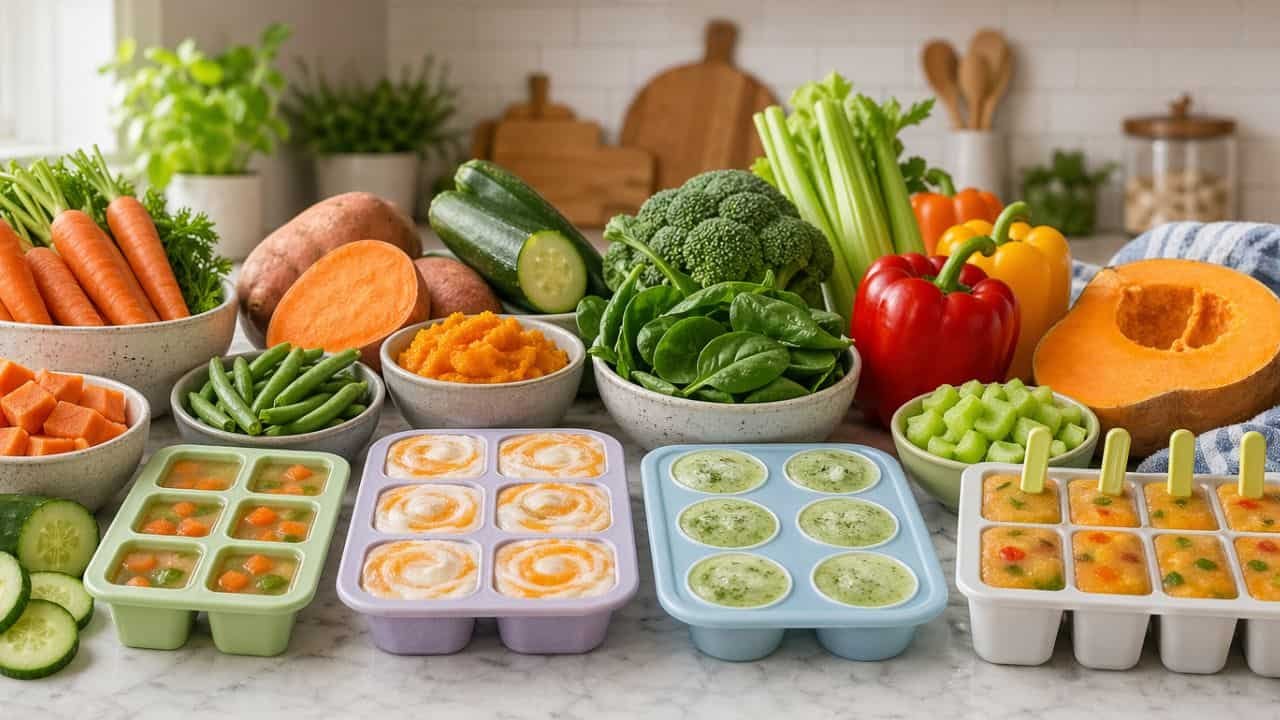
This guide walks you through everything you need to know about adding vegetables to your dog’s pupsicle, from the best nutrient-packed options to the ones you should never put anywhere near that mold.
Why Add Vegetables to Your Dog’s Pupsicle?
Most dog owners already know that pupsicles are a fun, refreshing way to keep dogs cool and entertained, especially during those scorching summer months. But vegetables can take a simple frozen treat to the next level. Here is why that matters:
Nutritional boost: Many dog-friendly vegetables are packed with vitamins A, C, B6, and K, along with essential minerals like potassium and magnesium. Adding them to pupsicles gives your dog a natural nutrition upgrade without reaching for a supplement.
Low-calorie filler: Vegetables like cucumber, zucchini, and green beans are incredibly low in calories. If your dog is watching their weight, veggie pupsicles are a guilt-free treat option.
Digestive support: High-fiber vegetables like sweet potato and pumpkin help regulate your dog’s digestive system. They can be especially helpful if your dog deals with occasional constipation or loose stools.
Hydration: Several vegetables, including cucumber (96% water) and celery, have very high water content. Blending these into a pupsicle helps keep your dog hydrated when temperatures climb.
Dental benefit: Raw, crunchy vegetables like carrot chunks frozen into a pupsicle can help scrape away light plaque buildup as your dog chews through the treat.
The Best Vegetables to Add to Your Dog’s Pupsicle
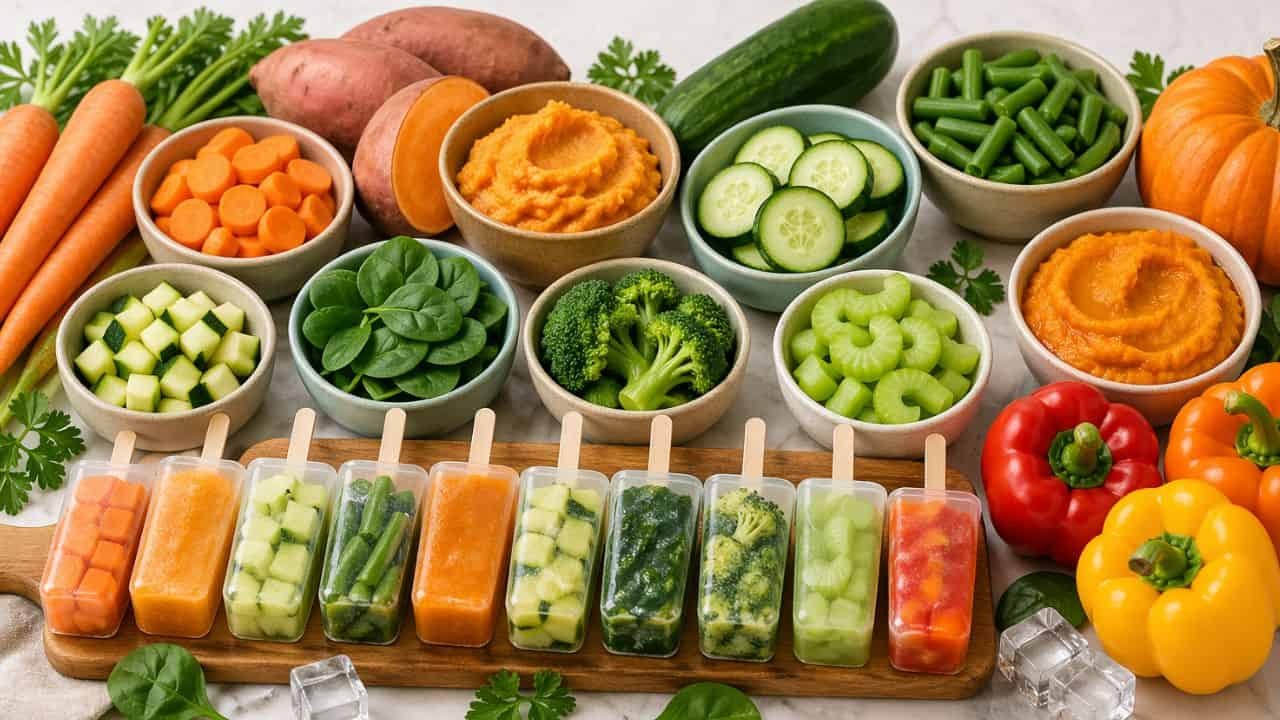
Not all vegetables are created equal when it comes to dogs. The ones listed below are not only safe but genuinely beneficial. Each one freezes well and blends smoothly into pupsicle bases like broth, yogurt, or water.
1. Carrots
Carrots are one of the most universally loved dog-safe vegetables, and they are a fantastic pupsicle ingredient. They are loaded with beta-carotene, fiber, and vitamins that support eye health, immune function, and skin condition. You can dice them raw, steam them until soft and blend them smooth, or freeze small carrot pieces whole into a broth-based pupsicle for a satisfying crunch.
Serving tip: Dice into small pieces or blend with low-sodium chicken broth. Raw baby carrots work especially well in savory pupsicles.
2. Sweet Potato
Sweet potato is a nutritional powerhouse for dogs. It is rich in fiber, vitamin A, and antioxidants, and most dogs genuinely enjoy its mild, naturally sweet flavor. Because sweet potatoes are starchy and a bit dense, cooking them first (steamed or baked, no butter or seasoning) makes them much easier to blend into a smooth pupsicle mixture.
Serving tip: Steam or bake, mash until smooth, and layer with plain Greek yogurt in your mold for a creamy, naturally sweet treat.
3. Cucumber
Cucumber is one of the most refreshing vegetables you can add to a summer pupsicle. It is 96% water, making it excellent for hydration on hot days. Cucumber is also low in sodium, fat, and calories, making it ideal for dogs on a weight management plan. Its mild flavor pairs well with almost any pupsicle base.
Serving tip: Slice thin or blend into small pieces with coconut water or plain water. Pairs beautifully with watermelon for a hydrating summer pupsicle.
4. Green Beans
Green beans are low in calories but surprisingly filling, which makes them a great option for dogs who tend to overeat. They contain vitamins A, B6, C, and K, as well as iron, calcium, and protein. Fresh or frozen (thawed) green beans work best. Avoid canned green beans with added salt.
Serving tip: Chop into small pieces and mix into a low-sodium beef broth pupsicle base. Your dog will love the savory combination.
5. Pumpkin (Plain, Canned or Pureed)
Plain pumpkin (not pumpkin pie filling) is one of the most vet-recommended additions to a dog’s diet. It is high in fiber, which supports healthy digestion and can ease both constipation and diarrhea. It blends perfectly into pupsicle recipes and has a mild flavor that most dogs find appealing.
Serving tip: Use 100% pure canned pumpkin. Swirl it with plain yogurt in a silicone mold and freeze overnight.
6. Zucchini
Zucchini is an underrated pupsicle ingredient. It is low in calories, fat, and cholesterol, and it is packed with antioxidants and vitamins A, C, B6, and K. Its high water content makes it especially refreshing when frozen. Zucchini has a neutral flavor that blends in easily without overwhelming the other ingredients in your recipe.
Serving tip: Grate or finely dice, and stir into a yogurt or broth base before pouring into molds.
7. Spinach
Spinach is rich in iron, calcium, vitamins, and antioxidants. It is safe for dogs in moderate amounts and pairs well with fruit-based pupsicle recipes. That said, spinach does contain calcium oxalate, which can cause issues in large quantities for dogs prone to kidney or bladder stones. Keep portions small and occasional.
Serving tip: Blend a small handful of fresh spinach into a blueberry and bone broth pupsicle for a smoothie-style frozen treat.
8. Broccoli
Broccoli is a solid occasional treat for dogs. It is high in fiber and vitamin C and low in fat. However, broccoli florets contain isothiocyanates, which can cause mild stomach irritation in some dogs if eaten in large amounts. Small quantities added to a pupsicle are generally well-tolerated.
Serving tip: Steam lightly before adding to any frozen recipe. Do not use as the main ingredient; small amounts mixed with broth work best.
9. Celery
Celery is high in fiber and has a very high water content, making it a hydrating pupsicle addition. It contains vitamins A, B, C, and K, plus folate, potassium, and manganese. One important note: always de-string celery before adding it to your dog’s food or pupsicle, as the tough strings can be a choking hazard or cause digestive irritation.
Serving tip: Remove all fibrous strings, chop finely, and blend into a savory broth-based pupsicle.
10. Bell Peppers (Any Color)
All colors of bell pepper are safe and healthy for dogs. They are full of vitamins A, B6, and E, along with antioxidants like vitamin C and beta-carotene. Bell peppers support skin, coat, and eye health. Red bell peppers are the most nutrient-dense of the three. Remove seeds and stems before use.
Serving tip: Blend red bell pepper with low-sodium chicken broth for a vibrant, nutrient-packed savory pupsicle.
Quick Reference: Best Veggies for Dog Pupsicles
| Vegetable | Key Nutrients | Best Preparation | Pupsicle Base Pairing |
| Carrot | Beta-carotene, Fiber, Vitamin A | Raw diced or steamed | Low-sodium broth |
| Sweet Potato | Fiber, Vitamin A, Antioxidants | Cooked and mashed | Plain Greek yogurt |
| Cucumber | Vitamin C, Potassium, Water | Raw, sliced or blended | Water or coconut water |
| Green Beans | Vitamins A, C, K, Iron | Fresh, raw or steamed | Beef or chicken broth |
| Pumpkin | Fiber, Vitamin A, Potassium | Canned puree (plain) | Yogurt or broth |
| Zucchini | Vitamins A, C, B6, K | Raw, grated or diced | Yogurt or broth |
| Spinach | Iron, Calcium, Vitamins | Blended (small amount) | Fruit and broth blend |
| Broccoli | Fiber, Vitamin C | Steamed, small pieces | Low-sodium broth |
| Celery | Vitamins A, B, C, K | De-stringed, chopped | Broth or water base |
| Bell Pepper | Vitamins A, B6, E, C | Seeds removed, blended | Chicken broth |
The Worst Vegetables for Dog Pupsicles (Never Use These)
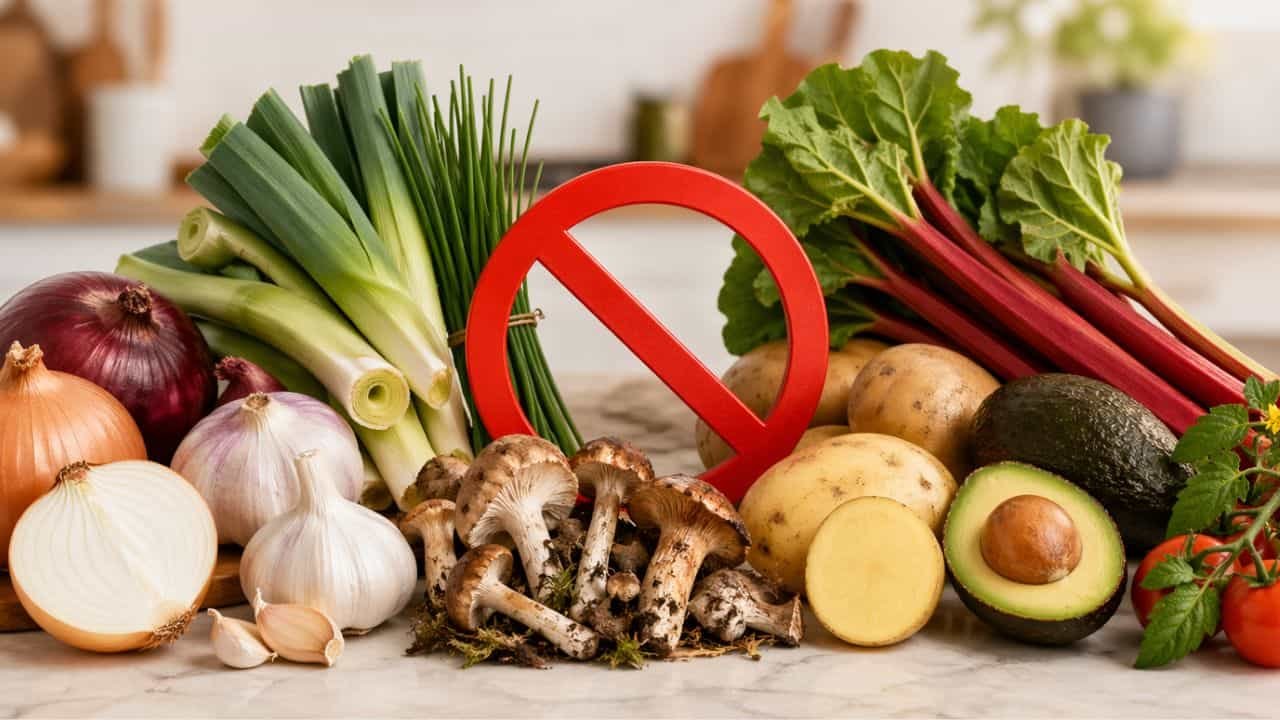
This section is just as important as the one above, possibly more so. Some vegetables that humans eat every day are genuinely toxic to dogs and should never appear in a pupsicle recipe.
Onions
Onions are one of the most dangerous foods for dogs. They belong to the Allium plant family and contain compounds that damage your dog’s red blood cells, potentially leading to hemolytic anemia. All forms are harmful: raw, cooked, powdered, and even dried. Symptoms may not appear for several days, which makes onion poisoning especially dangerous. Keep onions completely away from any dog treat.
Garlic
Garlic is even more toxic to dogs than onions, pound for pound. Like onions, it belongs to the Allium family and causes the same type of red blood cell damage. Even small amounts can build up over time and cause serious harm. Garlic powder, garlic oil, and all forms of garlic should never be added to pupsicles or any dog food.
Leeks and Chives
Both leeks and chives are also members of the Allium family and carry the same toxicity risks as onions and garlic. There is no safe amount. If you are making a savory broth-based pupsicle, always confirm your broth contains none of these ingredients.
Wild Mushrooms
While store-bought mushrooms are generally considered safe for dogs in small amounts, wild mushrooms are a completely different story. There are hundreds of toxic wild mushroom species in North America, and it is very difficult to tell them apart. To be safe, avoid adding any mushrooms to your dog’s pupsicle altogether.
Raw Potatoes
Cooked white potatoes are safe for dogs. Raw potatoes, however, contain solanine, a naturally occurring toxic compound found in nightshade plants. Raw potatoes can cause stomach upset, vomiting, and in larger amounts, more serious symptoms. If you want to include potato in a pupsicle, always cook it thoroughly first and let it cool before blending.
Rhubarb
Rhubarb, including its leaves, contains high levels of oxalic acid. Even moderate consumption can cause drooling, loss of appetite, vomiting, diarrhea, and in serious cases, kidney failure. This one should never come anywhere near a dog treat recipe.
Avocado
Avocado contains persin, a fungicidal toxin found in the flesh, skin, pit, and leaves of the fruit. While technically a fruit and not a vegetable, avocado sometimes shows up in vegetable-based recipes. It can cause vomiting, diarrhea, and in more serious situations, fluid accumulation around the lungs and heart in dogs. Always keep avocado out of your dog’s food.
Tomato Plant (Leaves and Stems)
Ripe tomato flesh is generally considered safe in very small amounts, but the green parts of the tomato plant (leaves, stems, and unripe fruit) contain solanine, the same toxic compound found in raw potatoes. If you are blending tomatoes from your garden, make absolutely certain you are using only the ripe red flesh and none of the plant material.
Vegetables to Use with Caution
Some vegetables are safe in small amounts but can cause problems if overfed. These are not in the “toxic” category, but they require a mindful approach.
Spinach: Contains calcium oxalate in larger amounts, which can contribute to kidney or bladder stones in dogs already prone to these issues. Use sparingly.
Broccoli: Contains isothiocyanates that can irritate the stomach if given too frequently or in large amounts. Keep it to a small portion of the overall recipe.
Cauliflower: Similar to broccoli, it is safe in moderate amounts but its high fiber content can cause significant gas and digestive upset if overfed.
Asparagus: Not toxic, but it is too tough to eat raw and loses most of its nutritional value once cooked soft enough for dogs. There are better vegetable options for pupsicles.
Beets: Safe in small amounts, but they are high in oxalates and sugar. Use sparingly, especially for diabetic dogs.
How to Prepare Vegetables for Dog Pupsicles
Getting the preparation right makes a big difference in both safety and palatability. Here are the key guidelines to follow every time:
Wash everything thoroughly. Even organic produce should be rinsed under cold water to remove pesticide residue, dirt, and bacteria.
Remove seeds, stems, and strings. Celery strings, bell pepper seeds, cucumber seeds, and tomato stems all need to come out before anything goes into the blender or mold.
Cook starchy or hard vegetables. Sweet potatoes, regular potatoes, and beets should be cooked (steamed or baked, no oil or seasoning) before use. Raw versions of these can be difficult to digest or even toxic.
Cut into small pieces. Even when blending, starting with smaller pieces helps your blender work more efficiently and creates a smoother consistency for the final pupsicle.
Avoid all seasonings. No salt, no garlic powder, no onion powder, no butter, no oil, no herbs. Dog pupsicles should always be completely plain.
Use low-sodium or no-sodium broth. If you are making a savory pupsicle base, always check the label on any broth or stock you use. Most commercial broths contain garlic and onion powder, which are toxic to dogs. Use broths specifically made for dogs or make your own unseasoned version at home.
3 Simple Vegetable Pupsicle Recipes to Try
Recipe 1: Carrot and Broth Pupsicle
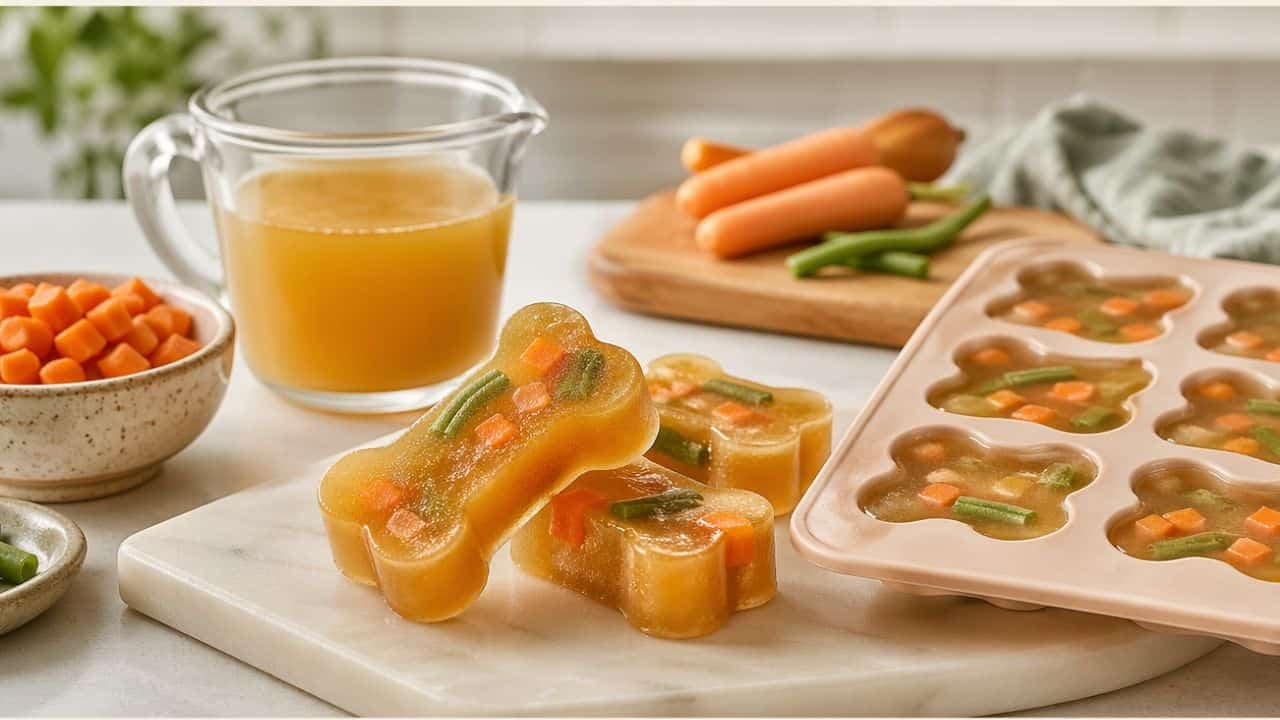
A savory, nutritious option that most dogs go wild for.
Ingredients:
- 2 to 3 baby carrots, diced small
- 1 cup low-sodium, dog-safe chicken or bone broth
- Optional: a few small green bean pieces
Directions: Pour broth into silicone molds, drop in the carrot and green bean pieces, and freeze for at least 4 to 5 hours or overnight.
Recipe 2: Sweet Potato and Yogurt Pupsicle
A creamy, naturally sweet treat that is great for digestion.

Ingredients:
- 1/2 cup cooked, mashed sweet potato (no skin, no butter)
- 1/2 cup plain, unsweetened Greek yogurt
Directions: Layer or swirl the sweet potato and yogurt together in your molds. Freeze overnight for the best results.
Recipe 3: Cucumber and Coconut Water Pupsicle
A refreshing, ultra-hydrating summer treat.
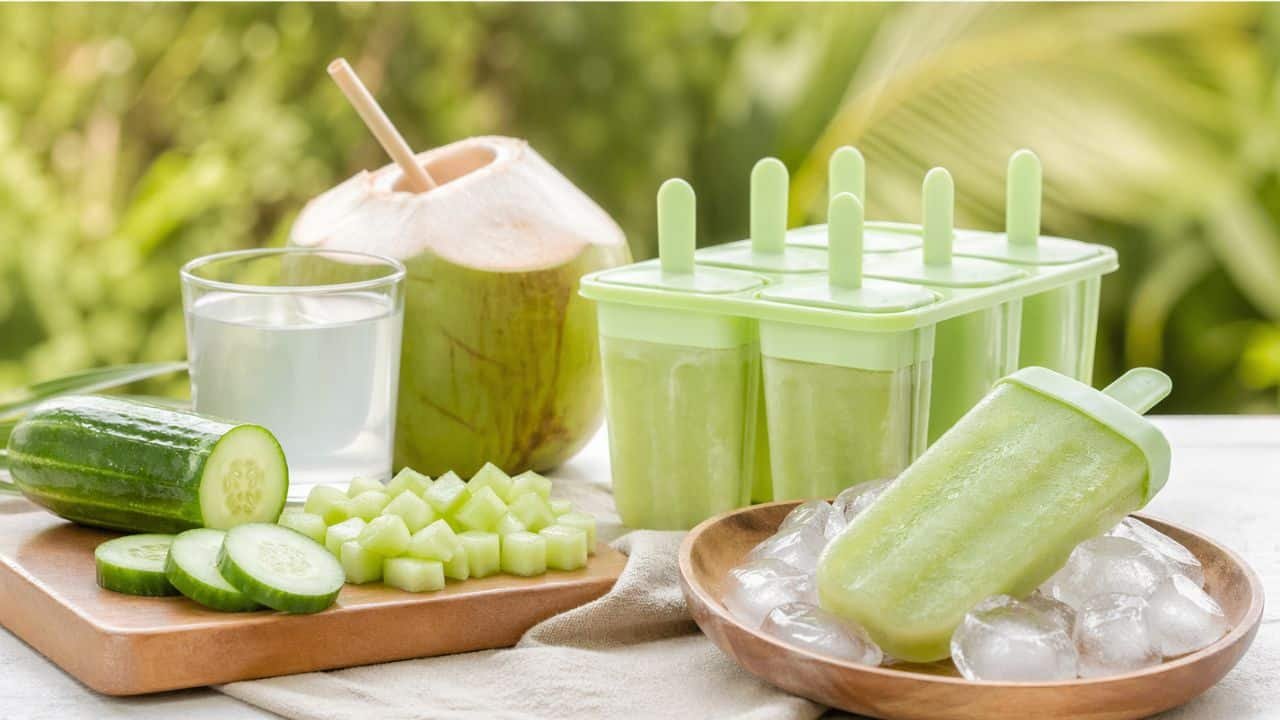
Ingredients:
- 1/2 cucumber, peeled and diced (seeds removed)
- 1 cup plain coconut water (no added sugar)
Directions: Blend cucumber with coconut water until smooth. Pour into molds and freeze for 4 to 6 hours. Serve outside for easy cleanup.
How Much Veggie Pupsicle Is Too Much?
Even the healthiest treat can cause issues if given in excess. The general guideline from veterinary nutritionists is that treats, including veggie pupsicles, should make up no more than 10% of your dog’s daily caloric intake. The bulk of your dog’s nutrition should still come from a complete and balanced commercial or veterinarian-approved diet.
For large dogs (over 50 lbs), one full pupsicle per day is typically fine on a hot day. For medium dogs (25 to 50 lbs), half to one pupsicle is a reasonable amount. For small dogs (under 25 lbs), keep it to small portions, as even healthy ingredients can upset a small dog’s stomach if given too much at once.
When introducing a new vegetable, always start with a small amount and watch for any signs of digestive upset like loose stools, excessive gas, or vomiting. Every dog is different, and some may be more sensitive to certain vegetables than others.
Signs Your Dog Does Not Tolerate a Vegetable Well
Even safe vegetables can cause reactions in individual dogs. Watch for these signs after introducing a new veggie ingredient:
- Loose stools or diarrhea within 12 to 24 hours
- Excessive gas or bloating
- Vomiting or repeated attempts to vomit
- Loss of appetite or unusual lethargy
- Itching, hives, or skin irritation (rare, but possible with a food sensitivity)
If any of these signs appear after your dog eats a vegetable pupsicle, stop using that ingredient and consult your veterinarian. Most reactions are mild and resolve on their own, but it is always better to check in with your vet when something new is added to your dog’s diet.
Frequently Asked Questions
Can I blend raw vegetables directly into a pupsicle? Yes, for many vegetables. Carrots, cucumber, zucchini, spinach, green beans, and bell peppers can all be used raw. However, starchy vegetables like sweet potato and regular potato should always be cooked first. Raw potato contains solanine, which is toxic to dogs.
Can I add broccoli to my dog’s pupsicle every day? It is better to rotate vegetables rather than give the same one every day. Broccoli contains isothiocyanates that can irritate the stomach when consumed frequently or in large amounts. Use it occasionally and in small quantities as part of a varied pupsicle rotation.
My dog refuses to eat veggie pupsicles. What should I do? Some dogs are picky and prefer fruit-based or meat-based flavors. Try starting with a strongly flavored, well-loved base like low-sodium bone broth and adding just a small amount of a very mild vegetable like zucchini or cucumber. Over time, you can gradually increase the vegetable content as your dog becomes familiar with the flavor.
Are frozen vegetables from the store safe to use in pupsicles? Yes, as long as you check the label carefully. Plain frozen vegetables with no added salt, seasoning, or sauce are safe for dogs. Avoid any frozen vegetable blends that contain onion, garlic, or seasoning mixes.
Can puppies eat vegetable pupsicles? Generally yes, but with extra caution. Puppies have more sensitive digestive systems than adult dogs. Stick to very simple ingredients like plain pumpkin puree mixed with water or low-sodium broth. Avoid anything with high fiber content in large amounts, and always introduce new ingredients one at a time.
Is it okay to mix vegetables and fruit in the same pupsicle? Absolutely. Many great pupsicle recipes combine vegetables and fruit together. A small amount of spinach blended with blueberries and broth is a classic example. Just make sure every single ingredient is safe for dogs before combining.
How long do vegetable pupsicles stay fresh in the freezer? Vegetable-based pupsicles stored in an airtight container or freezer bag typically stay fresh for 3 to 4 weeks. After that, freezer burn can affect the texture and taste, though the treat is not necessarily harmful. For best quality, make smaller batches and use them within a few weeks.